
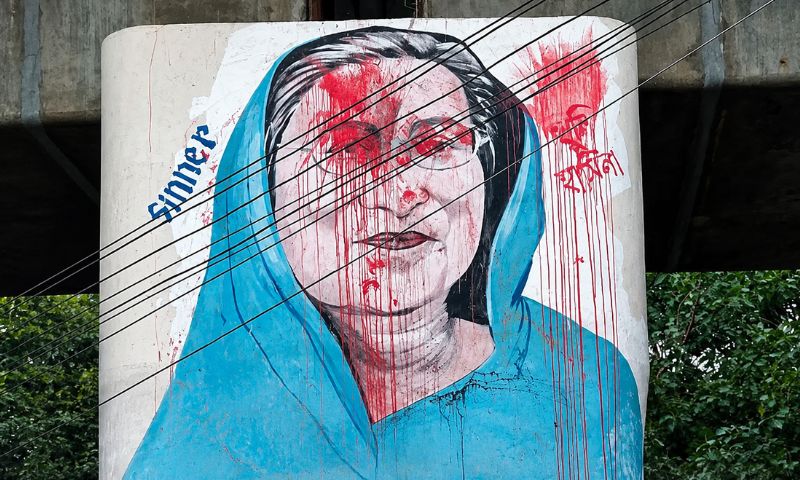
Sheikh Hasina Vows Bangladesh Return Despite Death Sentence Over Crimes Against Humanity Conviction Charges
Guwahati,August 6: Former Bangladesh Prime Minister Sheikh Hasina has said she will return to Bangladesh in December despite facing a death sentence after being convicted in absentia in a crimes against humanity case.
Addressing journalists through an audio link at the Foreign Correspondents’ Club in New Delhi on the second anniversary of her removal from office, Hasina said she was prepared to return even if it meant imprisonment or death. However, she did not reveal the exact date of her proposed return.
“I know that they may put me in jail or they may kill me, anything may happen, but still I have to go back,” she said.
Hasina, 78, fled to India during the anti-government uprising in 2024. A special tribunal in Dhaka later tried her in absentia and sentenced her to death for ordering the use of lethal force against protesters. She has rejected the charges, describing them as politically motivated.
During her address, Hasina alleged that several organisations had turned the 2024 student protests into a violent movement, but she did not provide evidence to support the claim.
According to United Nations investigators, there is evidence that Hasina’s government used systematic and deadly violence in an attempt to remain in power. An audio recording, verified by BBC Eye and presented by prosecutors during the trial, was cited as key evidence in her conviction. The United Nations estimates that up to 1,400 people, most of them shot by security forces, were killed during the protests.
The demonstrations began as a student-led movement against quotas in government jobs before developing into a nationwide uprising. Hasina left Dhaka as protesters entered government buildings, including her official residence.
Following her departure, an interim administration took charge before the Bangladesh Nationalist Party (BNP) formed the government after the February 2026 general election. BNP leader Tarique Rahman is currently serving as Prime Minister.
Before Hasina’s address, the Bangladesh government advised local media not to publish or broadcast her remarks. After the event, Bangladesh’s Foreign Ministry criticised India for allowing her to participate in the public interaction with journalists.
India has also been under pressure from Bangladesh to extradite Hasina. New Delhi has stated that the extradition request is under examination.
Political observers say that if Hasina returns to Bangladesh, she is expected to be arrested immediately. They also believe her return could trigger political protests from supporters of the ruling BNP, the National Citizens Party and other groups demanding that her sentence be enforced.
At the same time, analysts say the future of Hasina’s Awami League also depends on her decision. The party’s activities were banned after her departure from Bangladesh and it was barred from contesting the February general election.
Awami League leaders have alleged that several party workers and supporters have been killed in mob violence or died in custody since the change in government. The Bangladesh government has denied claims that Awami League supporters are being systematically targeted.
Political analyst David Bergman said Hasina’s decision appears linked to maintaining her political relevance, while former minister Mohammad Ali Arafat said her absence could further weaken the Awami League as its supporters continue to face pressure.
